


Table of Contents
- What It Means to Build a Culturally Conscious Wardrobe
- Start by Auditing Your Existing Wardrobe
- Define Your Personal Style and Cultural Values
- How to Identify Cultural Appropriation in Fashion
- How to Research Brand Ethics and Support Ethical Fashion Brands
- Build Your Foundation: Quality Materials and Garment Longevity
- Create Intentional Collections That Tell Your Story
- Frequently Asked Questions
Last Updated: September 30, 2026
What It Means to Build a Culturally Conscious Wardrobe
Building a culturally conscious wardrobe means selecting clothing that reflects your values, heritage, and identity while respecting the cultural narratives embedded in what you wear. It's about intentionality: understanding where pieces come from, who makes them, and what they communicate about you. At TNB-Shop-Store, we believe clothing functions as wearable history. A culturally conscious approach asks harder questions: Does this piece align with my values? Does it honor or exploit a culture? Am I buying from businesses that respect their makers? Does this garment help me express who I actually am?
Start by Auditing Your Existing Wardrobe
Before buying anything new, audit what you already own. Pull everything from your closet and organize by category. For each piece, ask: Do I wear this? Does it make me feel like myself? Do I know where it came from? Be honest about what you actually wear versus what you keep out of guilt. Pay attention to the pieces you reach for repeatedly, colors, silhouettes, and fabrics reveal your authentic preferences separate from trends.
Define Your Personal Style and Cultural Values
Your personal style isn't something you discover in a magazine, it's something you build through intention and self-knowledge. It's the intersection of your heritage, your values, and how you want to move through the world.
Start by identifying what matters to you culturally. Are there specific traditions, aesthetics, or narratives you want your clothing to reflect? This might be rooted in your family heritage, your community, your identity as a member of the LGBTQ+ community, or your commitment to specific values like environmental responsibility or labor justice. There's no single right answer, what matters is that you know your own.
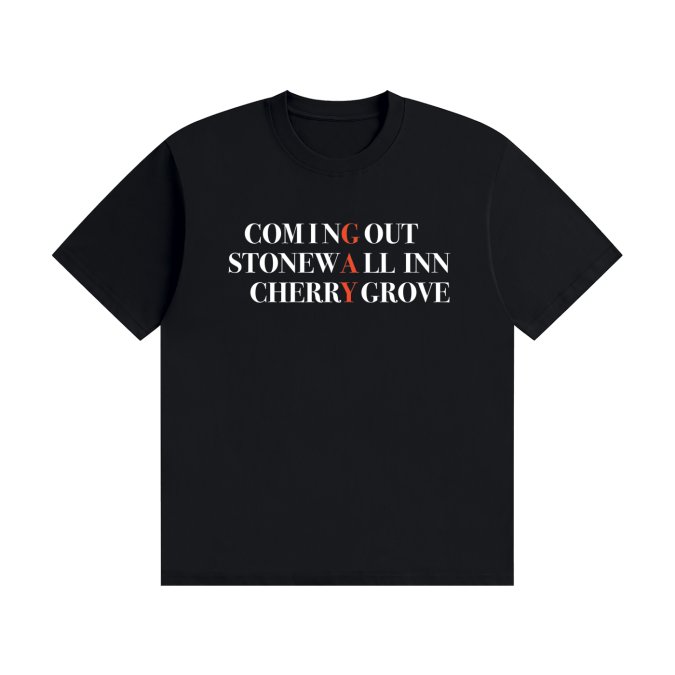
Next, translate those values into concrete style preferences. If you value cultural authenticity, you might seek out pieces from designers who share your heritage. If you care about labor ethics, you might prioritize brands with transparent supply chains. If you're expressing queer identity, you might choose pieces that signal visibility and joy.
How to Identify Cultural Appropriation in Fashion
Cultural appropriation happens when dominant culture borrows from marginalized cultures without permission, credit, or understanding, while profiting. Appreciation involves learning, respecting, and supporting the culture you're engaging with.
The Core Questions to Ask
-
Who designed and owns this brand? A Japanese designer creating traditional Japanese garments differs from a non-Japanese brand selling "kimono-inspired" pieces without context. Ownership determines who profits and whose voice shapes the narrative.
-
Is the cultural origin credited and contextualized? Ethical brands explain why a design matters and its historical significance. If a brand calls something "ethnic" or "bohemian" without naming the actual culture, that's a warning sign.
-
Are members of that culture centered in design and marketing? Are people from the originating culture represented, or is the brand using the aesthetic while excluding the community?
-
Is there a power dynamic at play? A white-owned brand selling "African-inspired" prints while African designers struggle for visibility is appropriation. A Black-owned brand celebrating African textiles and employing African artisans is appreciation.
-
Does the brand engage in genuine dialogue? Brands practicing real appreciation maintain long-term relationships with cultural communities and respond to criticism. Brands practicing appropriation often drop a "cultural collection" for a season and move on.
Real-World Examples to Recognize
-
Sacred or ceremonial items: Wearing Native American headdresses, bindis, or religious garments outside their intended context without understanding their spiritual significance is appropriation.
-
Specific textile traditions: Wearing kente cloth or sari fabric without connection to that heritage can be appropriation if the brand profits while the originating community remains invisible. Purchasing directly from artisans in that community is appreciation.
-
Aesthetics vs. identity: Wearing a dashiki because you respect West African fashion differs from wearing it as a costume or trend.
-
Attribution and compensation: A brand using traditional patterns without crediting the community or paying artisans fairly is appropriation. Licensing designs from cultural artisans is appreciation.
The Intention vs. Impact Framework
Organic Canvas Tote Bag | SHE WRITES →
Building Appreciation Into Your Wardrobe
How to Research Brand Ethics and Support Ethical Fashion Brands
Understanding where your clothes come from and who profits is foundational to conscious consumption. Research becomes systematic once you know what signals to look for.
Step 1: Investigate Ownership and Founding Story
Step 2: Verify Production Practices and Labor Standards
Step 3: Evaluate Material Sourcing and Environmental Impact
Step 4: Assess Transparency and Accountability
Step 5: Verify Claims Against Reality
Building Your Ethical Brand List
Build Your Foundation: Quality Materials and Garment Longevity
A culturally conscious wardrobe prioritizes pieces designed to last. Pay attention to fabric composition and construction details: Are seams finished neatly? Are hems secure? Do buttons feel substantial? Pieces from TNB-Shop-Store like the Unisex Seamless 100% Cotton Tee use 200 GSM fabric with seamless construction, and the Organic Canvas Tote Bag features certified organic cotton with sturdy web handles. Consider fit and versatility, pieces worn more extend their useful life.

Create Intentional Collections That Tell Your Story
Rather than accumulating random pieces, think about building collections, curated groups of garments organized around specific aesthetics, values, or narratives. This approach creates cohesion and ensures everything works together.
Frequently Asked Questions
What does it mean to have a culturally conscious wardrobe?
A culturally conscious wardrobe reflects your heritage, identity, and values through intentional clothing choices. It means selecting pieces that authentically represent who you are, supporting brands aligned with your ethics, and understanding the stories behind what you wear. Rather than following trends mindlessly, you're building a curated collection where each garment serves a purpose and carries meaning, whether that's celebrating your cultural background, expressing your identity, or supporting creators whose vision resonates with yours.
How can I support ethical fashion brands to support?
Research brands before you buy. Look for transparency about manufacturing, materials, and labor practices. Support Black-owned and minority-led fashion brands that prioritize intentional design over mass production. Check if a brand shares the stories behind their collections and whether they use sustainable materials. Read customer reviews and look for authentic engagement with their community. Brands like TNB-Shop-Store, founded by industry veterans with experience at houses like Giorgio Armani and Gap Inc., demonstrate commitment to craftsmanship and cultural conversation rather than fast-fashion cycles.
What's the difference between cultural appreciation and appropriation in fashion?
Cultural appreciation involves learning the history and meaning behind clothing elements and honoring their origins. It means engaging respectfully with cultures that aren't your own and giving credit to the communities who created those traditions. Appropriation strips cultural significance, removes context, or profits from cultural symbols without permission or understanding. Ask yourself: Am I wearing this to celebrate and respect a culture, or am I treating sacred or culturally specific elements as a trend? Do I understand the history? Am I supporting creators from that culture? Appreciation deepens your wardrobe with intention; appropriation flattens culture into aesthetics.
How do I know if clothing will actually last, especially statement pieces?
Check the materials first. Quality fabrics like certified organic cotton, premium blends, and natural fibers tend to hold up better than synthetic alternatives. Look at construction details: seamless bodies, reinforced stitching, and medium-heavy weight fabrics indicate durability. Pieces made from 100% cotton at 200 GSM weight, for example, can withstand regular washing. Research the brand's reputation for longevity. Intentional designers focus on garment quality because their pieces are meant to be worn repeatedly, not discarded after a season.
How can I research the history and story behind clothing brands?
Start by visiting a brand's website and reading their founder story and mission statement. Look for information about their collections, many intentional designers organize pieces around cultural narratives or specific themes. Check if they share the inspiration behind each design. Follow their social media to see how they engage with their community and discuss their work. Read interviews with founders in fashion publications. For TNB-Shop-Store, founder Quintin Humphrey's background at Giorgio Armani, Escada, and Gap Inc. shapes the brand's approach to treating clothing as wearable cultural history. Understanding a designer's experience and vision helps you make purchases aligned with your values.
What's the difference between a capsule wardrobe and a culturally conscious one?
A capsule wardrobe focuses on versatile basics that mix and match efficiently, minimizing the number of pieces needed. A culturally conscious wardrobe prioritizes intention, meaning, and identity alongside versatility. While both value quality over quantity, a culturally conscious approach asks deeper questions: Does this piece reflect my heritage or values? Does it support creators I believe in? Does it carry a story or spark conversation? You can combine both approaches, building a curated collection of high-quality, durable pieces that are also intentional about cultural representation and ethical sourcing.
How do I avoid fast fashion while building a culturally conscious wardrobe on a budget?
Focus on fewer, higher-quality pieces rather than many cheap items. Shop secondhand and vintage to find statement pieces with history and reduce textile waste. Invest in basics from ethical brands, even one quality $35 tee made from 100% organic cotton will outlast five cheaper alternatives. Prioritize pieces that genuinely matter to you culturally or aesthetically rather than buying to fill your closet. Support emerging Black-owned and minority-led brands, which often price intentionally designed pieces more accessibly than luxury houses. Building slowly with purpose costs less over time than constantly replacing worn-out fast-fashion items.