


Table of Contents
- What Defines Black-Owned Fashion Brands for Intentional Statement Apparel
- Black-Owned Sustainable Fashion Brands Leading Cultural Conversation
- Luxury Streetwear and Elevated Basics from Black Designers
- How to Support Black-Owned Businesses in Fashion
- Styling Intentional Apparel for Maximum Impact
- Understanding Quality, Craftsmanship, and Supply Chain Transparency
- Building a Wardrobe of Wearable Cultural Artifacts
- Frequently Asked Questions
Last Updated: September 28, 2026
What Defines Black-Owned Fashion Brands for Intentional Statement Apparel
Black-owned fashion brands are redefining statement apparel by creating pieces that function as wearable cultural artifacts, treating design as conversation, craftsmanship as activism, and every garment as an opportunity to express identity with intention.
A statement piece from a Black designer carries meaning beyond its silhouette, it reflects heritage, celebrates identity, and opens dialogue. At TNB-Shop-Store, we've built our philosophy around the idea that clothing should transform simplicity into visual emotion and serve as a distinct point of view for the conscious dresser.
Black-owned fashion brands for intentional, statement apparel share core values: cultural consciousness, elevated craftsmanship, and slow fashion over mass production. They create collections rooted in aesthetic vision and heritage-inspired design, believing what you wear should spark conversation.
Black-Owned Sustainable Fashion Brands Leading Cultural Conversation
Sustainable fashion and cultural consciousness go hand in hand for many Black-owned designers. These brands prioritize fair trade practices, eco-friendly materials, and transparent supply chains. Understanding what "sustainable" actually means, and what it costs, is essential for intentional shoppers.
Material Sourcing and Certification Standards
Black-owned sustainable brands source from certified suppliers. GOTS (Global Organic Textile Standard) certification verifies environmental standards and fair wages. Brands using GOTS-certified organic cotton can trace their supply chain back to the farm, not just the mill.
Other materials include Tencel (made from sustainably managed wood pulp with closed-loop processing) and recycled polyester, which diverts plastic waste from landfills. These materials cost 15-30% more than conventional alternatives, explaining higher sustainable piece price points.
Small-Batch Production and Waste Reduction
Labor Practices and Wage Transparency
The Sustainability-Affordability Tension
Intentional shoppers buy fewer pieces, wear them longer, and view higher prices as investments in quality, ethics, and cultural support. The economics favor durability: a sustainably-made tee worn 100 times costs far less per wear than a fast-fashion tee worn 15 times.
Authentic Black-owned brands weave their values into their ethos from the start, visible in pricing and founder transparency about trade-offs. When you buy from these brands, you support pieces designed to last seasons, not weeks.
Luxury Streetwear and Elevated Basics from Black Designers
The intersection of luxury and streetwear is the most exciting space in Black-owned fashion, with designers elevating basics through craftsmanship and intentional design rather than logos or hype.
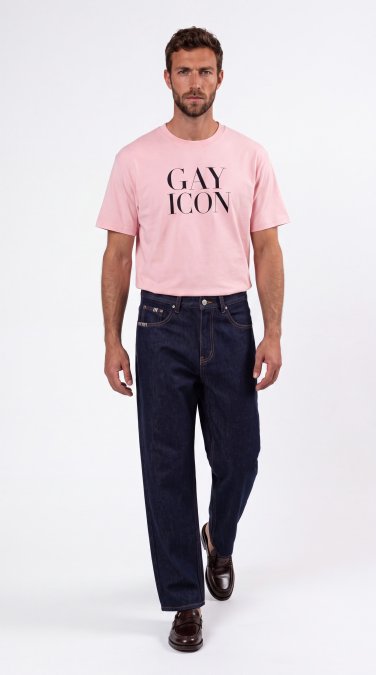
Luxury streetwear from Black designers features heavyweight fabrics, sophisticated color palettes, and graphics as cultural commentary. The Women's Cropped Crewneck Tee in BLACK DOESN'T APOLOGIZE from TNB-Shop-Store exemplifies this, cut in a 265 gsm cotton-spandex blend with bodycon silhouette, designed for the woman who has decided she's here to be seen.

The elevated basics category includes pieces like the Unisex Heavyweight Oversized Cotton T-Shirt in LE SALON NOIR, crafted from 305 gsm 100% cotton with drop shoulders and oversized fit, foundation pieces elevated through fabric weight, construction quality, and design intention.
Hoodies and sweatshirts carry similar DNA. The DIVA IN PROGRESS Women's Boxy Quarter-Zip Hoodie uses a 310 gsm cotton-polyester blend with cropped length, quarter-zip neckline, and drop shoulders, an architectural silhouette that reads as contemporary luxury rather than casual wear.
How to Support Black-Owned Businesses in Fashion
Supporting Black-owned fashion brands means making conscious choices about where your money goes. "Black-owned" alone isn't a complete metric, distinguish between brands founded and led by Black designers versus those that simply employ Black people or use Black aesthetics as marketing.
Founder Expertise and Brand Vision
Research founder background and design pedigree. Founders with experience at major fashion houses like Giorgio Armani, Escada, or Gap Inc. signal technical knowledge to execute intentional design.
Look for founders who articulate clear aesthetic vision: minimalist luxury, theatrical elegance, streetwear sophistication, or heritage-inspired design. Brands that lead with "we're Black-owned" without explaining design perspective are using identity as a substitute for vision.
Ownership Structure and Profit Distribution
Distinguishing Authentic Cultural Commitment from Performative Diversity
Performative diversity is common: brands using Black models, celebrating Black culture during designated months, or donating to causes while maintaining exploitative labor or gatekeeping leadership. Intentional support means looking beyond surface-level gestures.
Women's Cropped Crewneck Tee | BLACK →
Ask: Does the brand employ Black people in leadership and design roles? Are Black designers credited for contributions? Is commitment to Black culture year-round?
Brands answering transparently make authentic commitments. Those deflecting or becoming defensive are performing diversity rather than practicing it.
Community Partnerships and Local Impact
Engagement as Amplification
Follow Black-owned fashion brands on social media and understand what each piece represents. When you wear clothing with intention, you become an ambassador for the brand's cultural message.
Engagement amplifies reach. Brands with smaller budgets rely on word-of-mouth and organic sharing. Tagging brands, leaving reviews, and recommending pieces provides visibility independent brands can't afford to buy.
| Action | Impact | Why It Matters |
|---|---|---|
| Research founder background and ownership structure | Ensures your money supports Black-led vision, not just Black aesthetics | Distinguishes authentic ownership from performative diversity |
| Ask about wage equity and leadership representation | Signals that you're evaluating internal practices, not just external messaging | Holds brands accountable for systemic equity |
| Support brands with community partnerships | Funds multiplier effects: jobs, mentorship, and opportunity beyond the founder | Creates systemic change, not just individual wealth |
| Engage on social media and leave reviews | Provides organic visibility that independent brands can't afford to buy | Directly impacts brand growth and sustainability |
| Buy pieces you'll wear repeatedly | Demonstrates that you value quality and intentionality over trend-chasing | Supports the economics of slow, sustainable production |
Styling Intentional Apparel for Maximum Impact
Intentional apparel is about styling what you have with purpose, creating outfits where every element communicates your aesthetic and values.
Start with elevated basics. The Unisex Loose Fit Long-Sleeve Crewneck Tee in BLACK DOESN'T APOLOGIZE works as a standalone statement piece or layered under jackets. Its 280 gsm weight holds shape and styles multiple ways.
Build around statement pieces. A cropped tee pairs intentionally with high-waisted trousers, tailored skirts, or premium denim. The key is proportion, a cropped top demands high-waisted bottoms for balance.
Layer with intention. The LES ÉTOILES NOIRES Oversized Fleece Hoodie works as a standalone piece or layering element, wear it over a fitted tank, partially unzipped, or beneath a structured coat for deliberately curated texture contrast.
Accessorize thoughtfully. The Organic Canvas Tote Bag in SHE WRITES THE RULES carries the conversation forward with gold typography and certified organic cotton, signaling intentional choices throughout your outfit.

The rule: if you can't explain why you chose each piece, it's not intentional styling. Every item should serve a purpose in your overall aesthetic.
Understanding Quality, Craftsmanship, and Supply Chain Transparency
Quality in intentional apparel means understanding materials, construction methods, and sourcing practices, the difference between a piece lasting five years and one falling apart after five washes.
Fabric weight matters significantly. The 265 gsm cotton-spandex blend in the Women's Cropped Crewneck Tee holds shape and maintains color vibrancy through multiple washes.
Construction quality shows in durable printing. DTG (direct-to-garment) and DTF (direct-to-film) printing creates graphics that won't crack, fade, or peel because ink bonds directly with fabric.
Supply chain transparency is non-negotiable. Brands should tell you where materials come from and what labor practices they support. The Organic Canvas Tote in SHE WRITES THE RULES explicitly states it's crafted from 100% certified organic cotton, signaling responsible design.
Ask questions: What's the return policy if something doesn't fit or hold up? Brands committed to intentional fashion welcome these questions because they're proud of their answers.
Building a Wardrobe of Wearable Cultural Artifacts
A wardrobe of intentional apparel is curated, not accumulated. Each piece functions as a wearable cultural artifact carrying meaning, sparking conversation, and reflecting your identity and values.
Start small with 3-5 foundational pieces in neutral colors and elevated basics.
Frequently Asked Questions
What makes Black-owned fashion brands different from mainstream retailers?
Black-owned fashion brands center cultural storytelling, artisanal craftsmanship, and authentic identity in their design process. Rather than chasing trends, these brands treat clothing as wearable history and conversation. Founders like Quintin Humphrey, with experience at Giorgio Armani and Gap Inc., bring high-fashion expertise to intentional statement pieces. The difference lies in purpose: each collection reflects a distinct aesthetic and cultural perspective, not mass-market demands.
How do I know if a Black-owned fashion brand practices sustainable and ethical manufacturing?
Look for transparency about fabric sourcing and labor practices. Ethical Black-owned brands use premium materials like organic cotton. Check product descriptions for details on fabric weight, composition, and care instructions, premium construction signals investment in durability.
Can I find elevated basics from Black-owned luxury streetwear brands, or is it mostly bold statement pieces?
Absolutely. Black-owned luxury streetwear brands offer both. Collections include heavyweight oversized tees in neutral tones, premium hoodies with minimal branding, and sophisticated basics designed to layer and transition across seasons. These elevated essentials use substantial fabrics (9-13.6 oz cotton blends), architectural silhouettes, and refined details that elevate everyday dressing. The difference from fast-fashion basics is craftsmanship: each piece is designed to last and hold its shape through repeated wear.
What's the typical price range for intentional Black-owned statement apparel, and is it worth the investment?
Intentional Black-owned apparel ranges from $35 for cropped statement tees to $98 for premium hoodies and sweatshirts. These prices reflect premium fabric quality and founder expertise. Pieces are designed for longevity, heavyweight construction and thoughtful design mean they maintain their shape and visual impact through multiple seasons. Rather than replacing pieces annually, you're investing in wearable cultural artifacts that spark conversation and reflect your values.