


Table of Contents
- Intentional Fashion Design Defined
- Design Purpose Over Trend-Driven Consumption
- Technical Design Methodology and Structural Integrity
- Slow Fashion Principles and Garment Longevity
- How to Build a Capsule Wardrobe with Intentional Pieces
- Conscious Consumerism in Fashion: Supply Chain and Ethical Sourcing
- Identifying Intentional Craftsmanship in Your Wardrobe
- Frequently Asked Questions
Last Updated: September 27, 2026
Intentional Fashion Design Defined
Intentional fashion design is the deliberate creation of garments where every structural choice, material selection, and aesthetic decision serves a specific purpose rather than following trends or maximizing profit margins. At TNB-Shop-Store, we understand this as the difference between clothing that communicates and clothing that merely exists on a body.
The core principle behind intentional fashion design is alignment: between the garment's construction and its intended use, between the wearer's values and what they're putting on, between the story the piece tells and the person wearing it. This isn't about minimalism or maximalism. It's about precision. A deliberately oversized silhouette paired with structured seams sends a different message than an oversized garment cut loosely to save fabric costs.
When you examine intentional fashion design at the structural level, you're looking at pattern engineering that accounts for how fabric drapes on different body types, seam placement that balances aesthetics with durability, and material selection that reflects both performance requirements and ethical sourcing. The American Fashion Designers Association recognizes intentional design methodology as a core competency that distinguishes crafted apparel from mass production.
The visual and emotional impact of intentional fashion design comes second to its construction logic. A piece designed with intention will hold its shape, move with the body correctly, and age in ways the designer anticipated. That's not accident. That's engineering.
Design Purpose Over Trend-Driven Consumption
Most fashion operates on a cycle: identify the trend, manufacture quickly, sell before the trend dies, repeat. Intentional fashion design inverts this entirely. Instead of asking "What's trending now?", the designer asks "What problem does this garment solve? Who will wear it in three years? How should it perform?"
This shift in thinking changes everything about how a piece gets made. A trend-driven approach prioritizes visual impact in a single season. An intentional approach prioritizes how the garment functions across multiple contexts and seasons. The difference shows up in fabric weight, seam construction, and color selection.
Consider the distinction between a statement piece designed for cultural conversation versus a trend piece designed for Instagram. The intentional statement piece uses color, texture, and silhouette to communicate something specific about identity, community, or moment. It's meant to spark dialogue. A trend piece, by contrast, exists primarily to signal that the wearer is current. One has staying power. The other has an expiration date.
Conscious design choices mean the designer has made deliberate trade-offs. They've chosen a heavier fabric that costs more but lasts longer. They've engineered a silhouette that works across body types rather than fitting a single ideal. They've selected materials based on performance and ethics, not just cost. These decisions are visible to anyone who looks closely at the garment.
The psychological benefits of intentional dressing extend beyond aesthetics. When you wear something designed with purpose, something that actually fits your body, reflects your values, and aligns with your lifestyle, the experience is fundamentally different from wearing something chosen primarily for its trend status. You're not managing an image. You're expressing an identity.
Technical Design Methodology and Structural Integrity
Structural tailoring is where intentional fashion design becomes tangible. This is the work that most consumers never see but immediately feel when they put on a well-made garment.
Technical design methodology begins with understanding how fabric behaves. Different fibers have different drape characteristics, stretch properties, and durability profiles. Intentional designers choose fabrics based on how they'll perform in the garment's intended context, not based on what's cheapest or trendiest. A heavyweight cotton blend, for instance, holds structure better than lightweight cotton but requires different pattern engineering to avoid excess bulk at seams.
Pattern engineering, the actual cutting and shaping of fabric pieces, is where design intent becomes construction reality. Intentional designers use techniques like silhouette sculpting to shape how fabric falls on the body. This might mean curved seams that follow the body's contours, strategic dart placement that creates shape without excess fabric, or panel construction that allows different fabric directions to work together. The Tencel Wide-Leg Cuff Trousers from TNB-Shop-Store exemplify this approach: the high-rise waist, wide-leg silhouette, and turned cuffs are deliberate structural choices that create presence and intentionality rather than accident.

Seam construction reveals commitment to longevity. Intentional design uses reinforced seams, proper seam finishing to prevent fraying, and stitch density calibrated to the fabric weight. A 360 gsm heavyweight denim requires different stitch density than a lightweight cotton, intentional designers understand these technical relationships.
Textile integrity means the material itself is chosen for durability, not just initial appearance. Natural fibers like cotton, linen, and Tencel age predictably and often improve with wear. Synthetic blends are selected for specific performance properties, stretch recovery, moisture management, shape retention. The choice itself is intentional, not arbitrary.
Slow Fashion Principles and Garment Longevity
The slow fashion movement rejects the acceleration model entirely. Instead of seasonal collections and constant newness, slow fashion emphasizes garment longevity and mindful consumption. A piece designed to last five years has fundamentally different requirements than one designed to last one season.
Tencel Wide-Leg Cuff Trousers →
Longevity in textile selection means choosing materials that age gracefully. Natural fibers develop patina and character over time. Quality denim gets softer and molds to the wearer. Linen becomes more supple. These aren't flaws, they're evidence of use and care. Intentional designers build these aging characteristics into their material choices.
Garment lifecycle thinking extends beyond the initial purchase. How will this piece be cared for? What maintenance does it require? Can it be repaired if a seam fails? An intentionally designed garment is built with its entire lifespan in mind, not just the moment of sale. Detailed care instructions, reinforced stress points, and repairable construction all reflect this long-view thinking.
Waste reduction in manufacturing is a direct consequence of intentional design methodology. When every pattern piece serves a purpose, fabric waste decreases. When pieces are designed to work across multiple seasons and contexts, fewer total garments need to be purchased. The environmental impact compounds across thousands of wardrobes.
The value-based purchasing model shifts consumer behavior. Instead of asking "Is this cheap?", the intentional consumer asks "Will this piece work in my life? Does it reflect my values? Will it last?" The Heavyweight Straight Leg Denim Jeans from TNB-Shop-Store embody this principle: substantial 360 gsm fabric, classic five-pocket construction, and a dark indigo wash that won't fade aggressively. These aren't trendy choices. They're durable ones.

How to Build a Capsule Wardrobe with Intentional Pieces
A capsule wardrobe built on intentional pieces requires strategic thinking about versatility, color coherence, and functional aesthetics. Rather than accumulating many pieces, you're curating fewer items that work together across multiple contexts and seasons.
Start by defining your lifestyle requirements. What does your actual week look like? How many professional settings, casual settings, and social settings do you navigate? A capsule wardrobe should reflect your real life, not an aspirational version of it. A theater enthusiast has different requirements than an office worker, which has different requirements than someone who works from home.
Next, establish a color foundation. Intentional capsules typically anchor around 2-3 neutral base colors that everything else builds from. Black, navy, cream, gray, or brown provide visual coherence. Pieces in these colors work together without requiring constant decision-making. The Belted Barrel-leg Chino Pants from TNB-Shop-Store in neutral tones serve as foundational pieces that anchor multiple outfits.

| Capsule Element | Purpose | Versatility | Longevity |
|---|---|---|---|
| Neutral base pants | Foundation for multiple outfits | Works across seasons and contexts | 3-5 years with proper care |
| Elevated basics | Layering and balance | Pairs with statement pieces or worn alone | 2-4 years |
| Statement pieces | Cultural communication and identity | Seasonal rotation or permanent rotation | Depends on design intentionality |
| Structured outerwear | Seasonal transition and polish | Works across multiple outfits | 5+ years |
Quality over quantity becomes immediately apparent when building intentionally. Five well-designed pieces that work together create more outfit combinations than twenty pieces that don't coordinate. Each addition to your capsule should earn its place by working with existing pieces and serving a clear purpose.
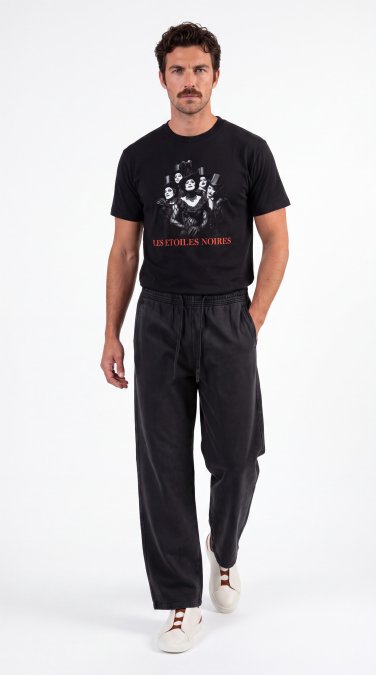
Consider the Unisex Vintage Wash Loose Sweatpants from TNB-Shop-Store as a capsule foundation piece.
Conscious Consumerism in Fashion: Supply Chain and Ethical Sourcing
Supply chain transparency has become essential to intentional fashion design. Knowing where materials come from, how they're processed, and under what conditions garments are constructed directly impacts whether a piece truly aligns with conscious design values.
Identifying Intentional Craftsmanship in Your Wardrobe
When examining a garment to assess whether it reflects intentional design principles, look beyond the label and marketing narrative. Actual craftsmanship reveals itself through specific technical details.
Frequently Asked Questions
How does intentional fashion design differ from fast fashion?
Intentional fashion design prioritizes purpose, durability, and cultural meaning. Each piece is crafted with specific design intent, whether through structural tailoring, ethical sourcing, or storytelling, rather than following seasonal trends. Fast fashion prioritizes volume and cost, often sacrificing textile integrity and garment longevity. Intentional pieces are built to last years, not seasons, and are designed to align with your identity and values rather than temporary trends.
What materials and textiles indicate intentional fashion design?
Intentional designers select materials for durability, breathability, and environmental impact. Look for natural fibers like organic cotton, linen, and Tencel blends that maintain textile integrity through repeated wear and washing. Heavyweight fabrics (300+ gsm) hold their shape better and resist pilling. Check fiber content labels, intentional pieces often blend materials for both function and longevity. Avoid synthetic-heavy blends that degrade quickly. The Tencel Wide-Leg Cuff Trousers, for example, combine Tencel, cotton, bamboo, and linen for durability and breathability.
What role does cultural storytelling play in intentional fashion?
Cultural storytelling transforms clothing from functional items into wearable artifacts that spark conversation and express identity. Intentional designers embed meaning through design choices, silhouettes that honor heritage, collections rooted in specific aesthetics, and pieces that celebrate underrepresented voices. This approach aligns clothing with personal values and community identity rather than generic mass production. When you wear intentional pieces, you're wearing a point of view, not just an outfit.
How can I tell if a garment will actually hold up and last?
Examine seam quality, stitching consistency, and fabric weight. Intentional garments feature reinforced seams, contrast stitching that defines construction, and substantial fabric (360+ gsm for everyday wear). Check care instructions, pieces designed for longevity provide detailed washing guidance at low temperatures to preserve textile integrity. Read material composition; natural fiber blends outperform synthetics over time. Look for slip pockets, belt loops, and zip-fly construction that indicates structural engineering. Higher-quality basics like the Heavyweight Straight Leg Denim Jeans use 360 gsm dark-wash denim with contrast stitching to hold shape and color through repeated wear.