


Table of Contents
- The Case for Independent Fashion Designers
- Independent Designers vs Fast Fashion: Quality and Longevity
- Slow Fashion Benefits: Why Intentional Design Matters
- How to Support Independent Fashion Brands
- Cultural Identity and Authentic Storytelling
- Economic Impact on Creators and Communities
- Building a Wardrobe That Reflects Your Values
- Frequently Asked Questions
Last Updated: October 7, 2026
The Case for Independent Fashion Designers
Supporting independent fashion designers is about choosing what your wardrobe represents. When you buy from independent fashion designers, you're investing in creativity, craftsmanship, and stories that mass production erases. At TNB-Shop-Store, we believe clothing functions as cultural conversation.
The difference between independent designers and fast fashion runs deeper than price or aesthetics. Independent designers design without pressure to churn out weekly collections. They build relationships rather than transactions, and each piece carries the designer's vision, not an algorithm's prediction of what will sell.
Your clothing choices ripple outward. When you support independent fashion designers, you're funding creative autonomy, enabling small-scale entrepreneurship, and building a fashion system rooted in authenticity rather than volume.
Independent Designers vs Fast Fashion: Quality and Longevity
The quality gap between independent designers and fast fashion is structural. Fast fashion operates on speed and volume, producing thousands of identical pieces from materials chosen for cost efficiency, not durability.
This translates to garments that hold up. A well-made piece from an independent designer often outlasts five fast-fashion equivalents. The fabric resists pilling. Seams don't unravel after three washes. Dyes remain vibrant. When you buy from independent fashion designers, you're buying clothes designed to be worn repeatedly, not replaced seasonally.
The psychological impact matters too. A garment you expect to keep for years feels different than one you assume will deteriorate, you care for it and style it differently. That shift from disposable to durable changes how you relate to your wardrobe.
Consider the math: a fast-fashion item costs $20 and lasts six months. An independent designer piece costs $60 and lasts five years. The fast-fashion math looks cheaper until you account for replacement cycles. By year five, you've bought the cheap piece ten times. The independent piece paid for itself twice over in durability alone.
Slow Fashion Benefits: Why Intentional Design Matters
Slow fashion isn't a trend, it's a response to fast fashion's model of endless replacement. Embracing slow fashion benefits means rejecting the idea that fashion should move faster than seasons, you want to know who made a piece, you want it to last, and you want to wear it because you love it, not because it's new.
Independent designers embody slow fashion principles by default. They can't produce 500 styles per season. They don't need to. Instead, they refine their craft, build collections with intention, and create pieces that transcend trend cycles. A well-designed garment from an independent designer often looks relevant years after purchase because it wasn't designed to feel dated within months.
Slow fashion also reconnects you to your wardrobe. Instead of accumulating pieces you forget you own, you build a curated collection where you know each item's story and style it in multiple ways across seasons. That shift from quantity to quality changes how you experience getting dressed.
The environmental case is straightforward: fewer garments produced means fewer resources consumed, less waste, and a smaller carbon footprint. The personal case is equally compelling, a slow-fashion wardrobe reduces decision fatigue, so you spend less time shopping and more time enjoying what you own.
How to Support Independent Fashion Brands
Supporting independent fashion brands starts with intention, but intention without verification is wishful thinking. The hard part is telling indie designers apart from fast-fashion labels that mimic indie aesthetics and ethics language. Here's a practical framework.
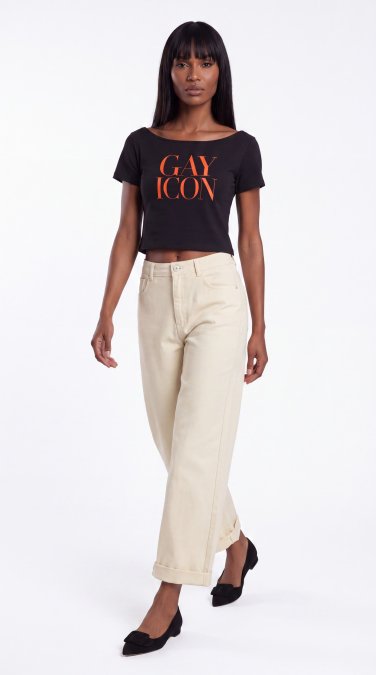
Start with the paper trail, not the aesthetic. A genuine independent designer can usually tell you where their fabric came from, who sewed the garment, and why they chose that factory or studio. Look for a named production partner, a mill reference, or a specific city of manufacture.
Check the size of the catalog. Independent designers typically release a limited number of styles per season.
Look for the designer's name and face. Independent labels are usually built around a person or small team. You should be able to find the founder's name, background, and voice in interviews or studio tours. If no identifiable human is behind the brand, treat that as a gap.
Read the care label and product page together. Independent designers write detailed care instructions because they want the piece to last; fast fashion prints the minimum. Specific fiber content, weight, and wash guidance are positive signals. "Polyester blend" and nothing else suggests a mass-produced item.
Watch for greenwashing tells. Common patterns: a sustainability page that talks about "the planet" but never names a certification, a "limited edition" drop that restocks every two weeks, and a brand that says "artisan" without ever showing one. None alone proves bad faith, but stacked together they suggest a label borrowing indie language without indie structure.
Start small and verify with wear. Buy one piece from a new designer, wear it extensively, and see how it holds up and integrates into your wardrobe. This reduces risk while building your network of trusted designers, over time you'll know whose sizing runs small, who uses the most durable fabrics, and who aligns with your aesthetic.
| Action | What It Signals | Long-Term Benefit |
|---|---|---|
| Ask for named suppliers | Designer knowledge | Better durability |
| Check catalog size | Genuine small-batch production | Ethical alignment |
| Identify the founder | Real human accountability | Trustworthy relationship |
| Read care and fiber details | Design intentionality | Wardrobe cohesion |
| Buy one piece and wear it hard | Personal fit knowledge | Smarter future purchases |
Cultural Identity and Authentic Storytelling
Fashion is storytelling, but the story only matters if it's yours. What you wear communicates who you are and what you value. Independent designers understand this because they design from a specific place, a heritage, a subculture, a personal history, rather than a trend forecast. Their work becomes wearable history.
The mechanism is attachment through specificity. Consumer psychology consistently finds that people form stronger emotional bonds with objects they perceive as unique. A mass-produced garment is one of ten thousand identical units; an independent designer piece is often one of a few dozen. That scarcity changes how you feel about the object, you're more likely to repair it, keep it, and remember where you bought it.
DIVA IN PROGRESS Canvas Tote Bag →
This is the psychological benefit most guides skip. It's not just that you buy less, the pieces you do buy carry more emotional weight, and that weight compounds. A wardrobe of 30 pieces you love produces a stable sense of personal style; a wardrobe of 100 you can't recall acquiring produces decision fatigue every morning.
Independent designers, particularly those from underrepresented communities, tell stories that mass fashion ignores. They create pieces rooted in cultural heritage, personal experience, and community identity. These aren't pieces designed by algorithm. They're pieces designed by humans who have something to say. When you wear clothing from independent designers, you're wearing their perspective. You're carrying their story. That transforms the garment from functional object to cultural artifact, a conversation starter, a statement, a way of claiming space and visibility.
The mass fashion industry homogenizes, smoothing out distinctiveness for broad appeal. Independent designers lean into specificity, designing for people who want clothing that reflects their actual lives and identities. That specificity is what makes their pieces feel personal in ways fast fashion never can.
A practical implication: when deciding whether to keep or re-wear a piece, ask whether it carries a story you want to keep telling. Pieces with a story get worn, repaired, and kept longer; pieces without one drift to the back of the closet. That's the mechanism by which slow fashion actually reduces consumption.
Economic Impact on Creators and Communities
When you support independent fashion designers, money moves differently. Instead of flowing to shareholders and executives, it reaches the designer directly, who then pays for materials, production, and collaborators. Money circulates through local economies, small manufacturers, and artisan supply chains.
This structure creates resilience. A thriving independent designer community builds creative economy foundations and enables entrepreneurial autonomy, letting designers take risks and iterate without answering to corporate boards. That freedom produces innovation fast fashion can't match.
Independent designers also tend to pay better wages and maintain better working conditions than fast fashion factories. This doesn't mean every independent designer is perfect, but the structure incentivizes ethical practice in ways mass production does not.
Supporting independent fashion designers also preserves specialized skills. Pattern makers, seamstresses, and fabric specialists stay employed when designers value their expertise, while fast fashion's automation and outsourcing erodes these skill communities.
Building a Wardrobe That Reflects Your Values
A wardrobe built on independent fashion designers feels different because it is different: smaller but more intentional, more expensive per piece but cheaper overall, and telling a coherent story instead of broadcasting fragmented trends.
Start by identifying your aesthetic non-negotiables. What colors do you actually wear? What silhouettes flatter your body? What fabrics feel good against your skin? These answers matter because they guide which independent designers to support. You're looking for designers whose vision aligns with yours.
Then build slowly. One quality piece per season beats ten mediocre pieces per month. Each addition should coordinate with what you own and be something you'd wear right now, not something you're "saving" for a future version of yourself.
As your wardrobe solidifies, you'll get dressed faster. Fewer options, better ones, and no decision paralysis. That's the real luxury of intentional dressing, not just beautiful clothes, but a closet that serves your life.
Supporting independent fashion designers becomes easier once you've found a few whose work you love. You follow their releases, know their sizing, and understand their design language. Over time, these relationships replace the exhausting search for new pieces, you're curating intentionally, not shopping constantly.
Pieces like the THEATRE NOIR BLANC Signature Canvas Tote exemplify this approach. It's a practical accessory designed with intention, premium cotton canvas, reinforced straps, a clean silhouette that complements any wardrobe. It's the kind of piece you carry for years, not seasons. It's designed to be noticed without demanding attention. That's what independent design delivers: utility elevated through craft.

The fashion industry is changing. Consumers increasingly reject fast fashion's model of endless replacement, choosing quality over quantity and intention over impulse. When you support independent fashion designers, you're participating in a shift toward a fashion system rooted in creativity, authenticity, and respect. Start with one designer. Build from there. Your wardrobe will thank you, and so will the creative communities you're helping sustain.
Frequently Asked Questions
What are the main benefits of supporting independent fashion designers?
Supporting independent fashion designers connects you to authentic storytelling, ethical production practices, and superior craftsmanship. Independent designers often prioritize quality materials, fair labor practices, and creative autonomy, resulting in pieces designed to last. You also directly fund creative economies and preserve cultural narratives that mass production erases. Each purchase supports artisanal innovation and reduces the environmental footprint of fast fashion overproduction.
How do independent designers differ from fast fashion brands?
Fast fashion prioritizes volume and speed, often compromising on durability and labor standards. Independent designers invest time in design innovation and storytelling; fast fashion mimics trends. The result: independent pieces offer longevity, uniqueness, and transparency about where and how clothing is made.
Are independent fashion designers more sustainable than mass-produced clothing?
Yes, generally. Independent designers practice slow fashion principles: thoughtful material selection reduces environmental impact, and garment longevity cuts consumption cycles. Many use organic cotton, ethical sourcing, and local manufacturing. Conversely, fast fashion's model of rapid turnover and disposability creates massive carbon footprints and textile waste. Supporting independent designers actively reduces your contribution to the estimated 92 million tons of textile waste generated annually.
How can I identify authentic independent fashion designers?
Look for designers who share their creative process, production details, and founder story. Authentic independent designers offer transparent supply chain information, explain their material choices, and often produce on-demand or in limited batches. They engage directly with customers through storytelling and may offer customization. Check if they're Black-owned, LGBTQ+-founded, or rooted in specific cultural narratives. Pieces should feel intentional, not trend-chasing, with clear design philosophy behind each collection.