


Table of Contents
- Why Conscious Dressers Reject Mass-Produced Fashion
- Understanding the Slow Fashion Movement
- Independent Designers and Custom-Made Clothing
- Vintage and Secondhand Fashion Platforms
- How to Build a Sustainable Wardrobe with Intentional Pieces
- Capsule Wardrobe Essentials for Long-Lasting Style
- Black-Owned and Culturally Intentional Fashion Brands
- Conclusion
- Frequently Asked Questions
Last Updated: September 25, 2026
Why Conscious Dressers Reject Mass-Produced Fashion
The fashion industry produces roughly 100 billion garments annually, most ending in landfills within months. Mass-produced fashion prioritizes speed and volume over durability and meaning, with each piece designed to feel disposable. At TNB-Shop-Store, we believe clothing should tell a story, spark conversation, and last. This is why alternatives to mass-produced fashion have become essential for anyone serious about intentional living.
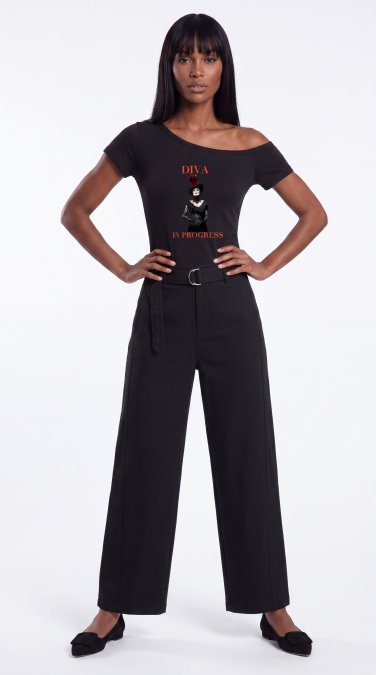
Conscious dressers reject fast fashion for concrete reasons: poor construction, unethical labor practices, environmental waste, and the hollow feeling of wearing something indistinguishable from thousands of others. The alternative is to buy differently, choosing pieces that hold meaning, withstand time, and reflect who you actually are.
Understanding the Slow Fashion Movement
The slow fashion movement rejects fast fashion's disposability model, emphasizing quality, craftsmanship, and longevity. Pieces are designed to be worn for years, not seasons, they improve with age and carry stories.
Slow fashion operates on fundamentally different timelines. Fast-fashion brands cycle inventory every 2-4 weeks; slow fashion brands produce 2-4 collections yearly with 6-12 month lead times. This extended timeline allows for:
Material sourcing and testing. Slow fashion makers spend months testing fabric quality and verifying ethical practices.
Production batch sizing. Mass production manufactures single styles in runs of 10,000-50,000 units; slow fashion operates in smaller batches. Smaller batches enable quality control while avoiding massive waste.
Construction standards. Fast fashion uses synthetic blends, single-ply seams, and glued hems; slow fashion prioritizes natural fibers and reinforced seams.
Fabric composition and origin. Mass production sources commodity fabrics for cost; slow fashion makers source certified organic cotton, regional linen, or sustainable materials like Tencel. This transparency eliminates hidden environmental damage.
The slow fashion movement centers ethics at every stage: Who made this? Under what conditions? Were they fairly compensated?
Slow fashion pieces cost more upfront because you're paying for extended timelines, smaller batches, material testing, ethical verification, and construction standards designed for a decade of wear.
Independent Designers and Custom-Made Clothing
Independent designers operate outside mass production, designing for themselves first. This freedom produces distinctive, intentional clothing.
Custom-made clothing lets you collaborate with a maker, specifying fabric, fit, and details.
Working with independent designers and custom makers requires patience, lead times stretch weeks to months, communication is direct.
A custom piece costs more upfront but amortizes across years of wear. You're paying for uniqueness, quality, and expertise.
Vintage and Secondhand Fashion Platforms
Vintage and secondhand fashion has transformed into a legitimate alternative system, with platforms connecting sellers and buyers globally for specific pieces and designers.
Buying secondhand extends garment life, costs less than retail, provides access to discontinued and rare pieces, and breaks the link between your wardrobe and new manufacturing.
Secondhand platforms now offer professional photography, detailed descriptions, and buyer protection, making online shopping reliable across luxury goods, vintage denim, and designer items.
Secondhand shopping requires patience and an eye for condition, but rewards you with unexpected discoveries, sharper quality judgment, and a genuinely unique wardrobe.
How to Build a Sustainable Wardrobe with Intentional Pieces
Building a sustainable wardrobe means treating it as a long-term investment, requiring you to restructure how you encounter, evaluate, and acquire clothing.
Start with a complete audit. Photograph every piece you own and note what you actually wear versus what sits unworn. Most people wear 20% of their wardrobe 80% of the time; the rest represents failed purchases or pieces that don't fit your body or lifestyle.
Ask three diagnostic questions: (1) Why don't I wear this? (2) What do I reach for repeatedly? These patterns reveal your authentic style. (3) What gaps exist? Write down pieces you need but don't have, this becomes your shopping list.
Restructure how you encounter new clothing. Fashion marketing creates artificial urgency through limited-time sales, new launches, and influencer endorsements designed to trigger impulse purchases.
Conscious dressers interrupt this cycle by: unfollowing trend-focused accounts, disabling notifications, setting a 2-4 week waiting period before purchases, and shopping their closet first to create new outfits from existing pieces.
Establish purchase criteria. When you do buy, every piece should meet these standards:
-
Fit your body well without alteration. Tailoring is an option, but pieces should fit acceptably off-the-rack. Chronic fit issues signal a mismatch between your body and the brand's sizing.
-
Work with at least 5 existing pieces in your wardrobe. This ensures the piece creates new outfit combinations rather than sitting isolated.
-
Come from a maker whose practices align with your values. Research the brand. Where is it made? What materials are used? Are workers fairly compensated? This research takes time, but it's the point. Intentional buying is slower.
-
Feel like something you'll wear for years, not months. Ask yourself: Will I wear this in 2 years? In 5 years? If the answer is uncertain, don't buy it.
-
Solve a genuine wardrobe gap, not create a new want. The piece should address something from your audit, not introduce a new category or aesthetic you don't actually need.
Make your wardrobe visible. One overlooked factor in conscious consumption is visibility. When clothes are hidden in drawers or crammed in closets, you forget what you own. You can't build outfits from pieces you can't see. This invisibility drives re-purchasing, you buy a sweater you already own because you forgot you had it.
Consider storage solutions that keep your wardrobe visible: open shelving, clear storage bins, or a clothing rack. When every piece is visible, you're forced to confront the reality of what you own. You can't ignore duplicates or pieces that don't fit. This visibility is a powerful brake on overconsumption.
| Approach | Frequency | Decision Time Per Purchase | Total Annual Pieces | Typical Wear Lifespan |
|---|---|---|---|---|
| Mass Production | 20+ items/season | 5-10 minutes | 80-100+ | 5-10 wears |
| Intentional Buying | 3-5 items/season | 2-4 weeks | 12-20 | 200+ wears |
| Custom/Vintage Mix | 2-4 items/season | 4-8 weeks | 8-16 | 300+ wears |
Expect discomfort. The shift from impulse to intention is genuinely difficult. You'll experience FOMO when you see trends you're not buying. You'll feel bored wearing the same pieces repeatedly. You'll question whether you're missing out. This is normal. These feelings are the marketing working, not evidence that you're doing something wrong. The discomfort fades after 2-3 months, replaced by the clarity and confidence of knowing exactly what you own and why.
Capsule Wardrobe Essentials for Long-Lasting Style
A capsule wardrobe is a curated collection of versatile pieces that work together. The goal is maximum outfit combinations with minimum pieces. Typically, a capsule contains 30-40 items that cover multiple seasons and occasions.
Capsule wardrobe essentials start with basics: well-fitting jeans, neutral tops, layering pieces. But "basics" in a capsule context means quality. A white t-shirt should be constructed well enough to wear for a decade. Jeans should have enough structure to hold their shape after 100 washes.
From basics, add layering: cardigans, jackets, sweaters. These extend the lifespan of other pieces and create outfit variety. Then add 2-3 statement pieces, the items that express personality and style. These might be bold colors, interesting textures, or pieces with cultural significance.
The capsule wardrobe philosophy aligns perfectly with conscious consumption. You buy less, choose more carefully, and build a wardrobe where everything works together. This eliminates the frustration of owning pieces that don't coordinate, and it forces you to be intentional about every purchase.
TNB-Shop-Store's approach to elevated basics reflects capsule wardrobe thinking. The Belted Barrel-Leg Chino Pants ($74.00) exemplify this principle, constructed from substantial 100% cotton with enough presence to anchor an outfit, yet versatile enough to pair with everything from graphic tees to refined layers. The Unisex Vintage Wash Loose Sweatpants ($84.00) serve a similar function: quality construction in a foundational silhouette that works across seasons and styling approaches.


Black-Owned and Culturally Intentional Fashion Brands
Black-owned fashion brands and culturally intentional makers represent some of the most innovative alternatives to mass production. These brands treat clothing as cultural conversation, wearable history, and artistic expression rather than disposable commodities.
Conclusion
Alternatives to mass-produced fashion exist across multiple models: slow fashion, independent designers, custom-made pieces, vintage and secondhand platforms, capsule wardrobes, and culturally intentional brands. Each offers something mass production cannot, intention, quality, meaning, or ethics.
Frequently Asked Questions
What makes something a real alternative to mass-produced fashion?
True alternatives prioritize intentional design, limited production runs, and storytelling over volume. They emphasize garment longevity, ethical materials, and transparent manufacturing. Conscious dressers seek pieces that serve as wearable history rather than disposable trends, with each purchase reflecting personal values around sustainability, cultural identity, or craftsmanship.
How do I know if a brand is actually practicing the slow fashion movement?
Slow fashion brands typically disclose their fabric sourcing. They produce seasonal collections rather than constant inventory drops, use high-quality materials designed for durability, and often feature storytelling about each piece. Look for transparency about how garments are made.
Can I build a capsule wardrobe with pieces from different brands?
Yes. Capsule wardrobe essentials work best when they share a cohesive color palette and design philosophy, even across brands. Focus on quality basics that pair easily together, invest in elevated pieces that reflect your personal aesthetic, and choose fabrics that last. The goal is intentional pieces you'll wear repeatedly, so prioritize fit, durability, and alignment with your lifestyle over brand loyalty.
Why should I support Black-owned and independent fashion brands?
Independent and Black-owned brands often embed cultural storytelling, artistic vision, and community values directly into their work. Supporting them means investing in designers who control their narrative. These brands treat clothing as cultural conversation rather than commodity, offering pieces with genuine meaning that transcend seasonal trends.
TNB-Shop-Store was built on this exact principle: clothing as cultural conversation, not consumption. Every piece is designed to transform simplicity into visual emotion, to open minds and spark conversation. The brand's commitment to intentional design, from the Tencel Wide-Leg Cuff Trousers to the Le Salon Noir Cotton Canvas Tote, reflects the belief that what you wear matters. Shop TNB-Shop-Store and build a wardrobe that means something.