


Table of Contents
- What a Conscious Capsule Wardrobe Actually Means
- How to Audit Your Closet for Sustainability
- Define Your Personal Style and Values
- Capsule Wardrobe Checklist for Beginners
- Ethical Fashion Essentials That Actually Last
- Cost-Per-Wear: The Math Behind Intentional Spending
- Build, Repair, and Rotate Your Conscious Capsule
- Frequently Asked Questions
Last Updated: September 23, 2026
What a Conscious Capsule Wardrobe Actually Means
A conscious capsule wardrobe is a curated collection of versatile, ethically-made pieces designed to work together while minimizing environmental impact and reflecting your personal values. Unlike fast fashion, which prioritizes trend cycles and volume, a conscious capsule prioritizes intention, quality, and longevity. At TNB-Shop-Store, we approach this philosophy as wearable cultural history, pieces that carry meaning and durability, not disposability.
The term "capsule" originated in the 1970s as mixing and matching a limited number of items. Today, a conscious capsule wardrobe is built on principles of minimalism, sustainability, ethical sourcing, fair labor practices, and environmental responsibility.
Most consumers own far more clothing than they wear, with many garments worn fewer than five times before being discarded. A conscious capsule wardrobe inverts this: you invest in fewer pieces that you'll wear repeatedly, that age well, and that align with your values.
How to Audit Your Closet for Sustainability
Pull everything out and sort by category. This reveals patterns: duplicate colors, similar silhouettes, pieces that no longer fit your life.
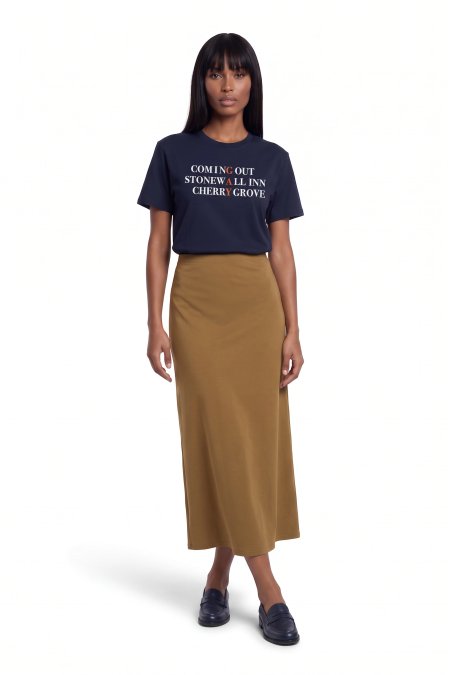
As you sort, ask three critical questions about each piece: Do I wear this? Does it align with my values? Is it made to last? Items that fail two or more of these questions should go. Don't guilt yourself, this is data, not judgment.
Assess durability and construction quality. Pay close attention to fabric composition and construction. Look at seams, hems, and stitching quality. According to the Sustainable Apparel Coalition's research on textile durability, garments constructed with reinforced seams and quality thread last significantly longer than cheaply-made alternatives. This matters because durability is sustainability, a shirt worn 100 times has far less environmental impact per wear than one worn five times before falling apart.
When examining a garment, check for these durability markers: Are seams double-stitched or single? Is the thread color-matched to the fabric (a sign of care in construction)? Do hems lie flat or are they uneven? Is the fabric weight substantial, or does it feel thin and flimsy? Natural fibers like cotton and linen typically show their quality more visibly than synthetics.
Document wear patterns and material composition. Track brand, material, age, condition, and wear frequency. Note damage patterns, broken zippers, loose seams, fading, to identify which brands hold up. This data filters future purchases and reveals which brands consistently outperform cheaper counterparts.
Calculate the environmental cost of your current wardrobe. Divide the original purchase price by wear count to understand true cost-per-wear. This reveals which purchases were wasteful and which represent good stewardship. Keep pieces with the lowest cost-per-wear; they're your efficiency benchmarks.
Assess your color palette and material story. Which colors do you reach for? Which materials feel best? Your audit reveals your natural color story and fabric preferences, becoming the foundation for your conscious capsule.
Identify gaps and overlaps. After sorting, lay out your keepers by category: tops, bottoms, outerwear, shoes, accessories. Notice where you have redundancy (five similar black t-shirts) and where you have gaps (no structured jacket). These patterns show you where intentional additions will create the most value and where you're wasting closet space on near-duplicates.
Define Your Personal Style and Values
Define what "conscious" means to you: environmental impact, ethical labor, fair wages, cultural representation, LGBTQ+ inclusivity, or support for specific communities. Your personal style and values must align, or your capsule will feel inauthentic. TNB-Shop-Store was founded on the principle that clothing is cultural conversation, each piece reflecting who you are and what you stand for.
Ask: What stories do I want my clothes to tell? What causes matter to me? What craftsmanship do I respect? These questions determine which brands you'll trust and which pieces belong in your life.
Create a mood board or Pinterest collection of pieces that genuinely excite you. Not trends, pieces that make you feel like yourself. Notice the patterns: Are they minimalist or maximalist? Monochromatic or colorful? Structured or fluid?
Capsule Wardrobe Checklist for Beginners
Starting a conscious capsule doesn't require buying everything at once. Begin with foundational pieces that work across seasons and occasions. These essentials form the backbone of any functional capsule.
| Category | Essential Pieces | Why It Matters |
|---|---|---|
| Bottoms | 2-3 neutral pants/trousers | Versatile base for layering and mixing |
| Tops | 4-5 quality basics | Foundation for endless outfit combinations |
| Outerwear | 1-2 structured jackets | Durability and timeless silhouette |
| Footwear | 2-3 versatile shoes | Neutrals that work across seasons |
| Accessories | Minimal jewelry, scarves, belts | Elevate basics without excess |
Ethical Fashion Essentials That Actually Last
Ethical fashion means different things depending on your values, but certain standards consistently indicate quality and responsibility. The challenge is that "ethical" and "sustainable" are unregulated marketing terms, any brand can claim them. Learning to verify claims separates genuine commitment from greenwashing.
-
Organic cotton requires no synthetic pesticides and is durable and breathable. Look for GOTS (Global Organic Textile Standard) certification, which verifies organic farming and fair labor practices.
-
Linen is naturally durable, requires minimal pesticides, and biodegrades completely. It improves with age.
-
Tencel (lyocell) is made from sustainably harvested wood pulp using a closed-loop process that recycles 99% of solvents. It's soft, durable, and biodegradable.
-
Hemp is extremely durable, requires no pesticides, and regenerates soil.
-
Synthetic blends (polyester, nylon) shed microplastics when washed and never fully biodegrade. Recycled synthetics are a legitimate ethical choice if the brand demonstrates transparent sourcing.
-
Fair Trade Certified (Fair Trade standards) verifies fair wages, safe working conditions, and environmental practices. It's strongest for cotton and applies to the farming stage, not necessarily the garment factory.
-
GOTS (Global Organic Textile Standard) (GOTS certification) covers the entire supply chain from organic farming through manufacturing. It's the most rigorous for organic fiber claims.
-
B Corp Certification (B Corp standards) audits a company's entire business model, labor, environment, community impact. It's broader than product-specific but requires annual recertification.
-
OEKO-TEX Standard 100 verifies that a finished garment contains no harmful chemicals. It doesn't address labor or environmental practices in production.
-
Bluesign® certifies that textile manufacturing uses safe chemicals and processes. It's strong on chemical safety but doesn't verify labor practices.
Cost-Per-Wear: The Math Behind Intentional Spending
Cost-per-wear divides price by wear frequency. A piece worn 100 times costs half as much per wear as one worn 50 times. This framework justifies higher upfront costs and reveals which pieces are true investments versus impulse buys. Foundational pieces should have low cost-per-wear because you'll reach for them constantly.
Build, Repair, and Rotate Your Conscious Capsule
Once you've established your foundational pieces, the work becomes maintenance and intentional addition. A conscious capsule is never "finished", it evolves with your life and grows thoughtfully.
Frequently Asked Questions
What is the 3-3-3 rule for a capsule wardrobe?
The 3-3-3 rule is a foundational framework for building a conscious capsule wardrobe: 3 neutral base colors (typically black, white, and one earth tone), 3 accent colors that complement your skin tone and personal aesthetic, and 3 patterns or textures that work across multiple pieces. This structure ensures versatility while maintaining intentional design. The rule works because neutral foundations allow statement pieces to shine, while strategic accents and textures create visual interest without overwhelming the collection.
How many items should be in a sustainable capsule wardrobe?
A sustainable capsule typically contains 30-50 pieces, though the exact number depends on your lifestyle and climate. Quality matters more than quantity. Each piece should serve multiple purposes, mix easily with others, and align with your values and aesthetic. Rather than counting items, focus on cost-per-wear and versatility: a well-made pair of trousers worn 100 times has lower environmental impact than 10 cheap pairs worn once.
What is the difference between a minimalist and a conscious wardrobe?
A minimalist wardrobe emphasizes fewer items and neutral aesthetics. A conscious wardrobe goes deeper: it considers where and how garments are made, the materials used, worker conditions, and the piece's longevity. You can be minimalist without being conscious, or conscious without being minimalist. A conscious capsule wardrobe combines both by selecting fewer, intentional pieces made ethically and designed to last, reflecting your values through every purchase decision.
How do I transition my current closet into a conscious capsule?
Start by auditing what you own, identifying pieces you actually wear and love. Keep those foundational items. Donate or resell pieces that don't align with your values or aesthetic. Identify gaps by noting what you reach for repeatedly. Replace worn basics with quality essentials one at a time, prioritizing pieces with transparent supply chains and durable construction. This gradual transition prevents waste and allows you to build intentionally rather than starting from scratch.
How do you define a conscious approach to fashion?
A conscious approach means making deliberate choices about what you buy and why. It involves researching materials, understanding production methods, supporting brands with transparent supply chains, and choosing quality over quantity. Conscious dressing also means wearing what you own fully, maximizing cost-per-wear, repairing garments, and rotating pieces seasonally. It's about treating clothing as a form of cultural expression and personal responsibility, not disposable consumption.
What are the benefits of building a capsule wardrobe?
A capsule wardrobe simplifies daily decisions, reduces decision fatigue, and saves time getting dressed. Financially, it encourages spending on quality pieces with higher cost-per-wear, reducing overall clothing expenses. Environmentally, it cuts textile waste by prioritizing longevity and versatility. Personally, it allows your unique style and values to shine through intentional pieces rather than trends. You'll also discover that fewer, well-chosen items create more outfit combinations than a cluttered closet.