


Table of Contents
- Understanding What Makes Luxury Apparel Different
- How to Identify High Quality Fabric
- Examining Seams, Stitching, and Construction
- Signs of Poor Garment Construction
- Evaluating Hardware and Fasteners
- How to Find Your Size Online
- Garment Drape, Cut, and Pattern Matching
- Care Labels, Fiber Content, and Longevity
- Frequently Asked Questions
Last Updated: October 4, 2026
Understanding What Makes Luxury Apparel Different
Luxury apparel isn't defined by a brand name or a price tag alone. It's built on craftsmanship, material selection, and construction techniques that separate intentional design from mass production. Learning how to spot quality in luxury apparel means understanding what makes pieces designed to last, to tell a story, and to reward close inspection.
When you understand how to spot quality in luxury apparel, you're learning to read the language of construction. A seam tells you something. The weight of fabric in your hand tells you something. The way a garment drapes on your body tells you something. These details separate pieces that will anchor your wardrobe for years from those that fade, pill, and lose shape after a season.
The difference between luxury and everything else comes down to intention. Luxury brands invest in natural fibers, thoughtful pattern matching, and finishing techniques that cost more because they take more time. They use higher stitch density. They reinforce stress points. They choose hardware that won't tarnish or break. These decisions compound, a single detail might add only cents to production cost, but dozens of details add up to a garment that performs differently over time.
How to Identify High Quality Fabric
The fabric is where quality begins. Before you look at seams or buttons, hold the garment and understand what you're actually touching.
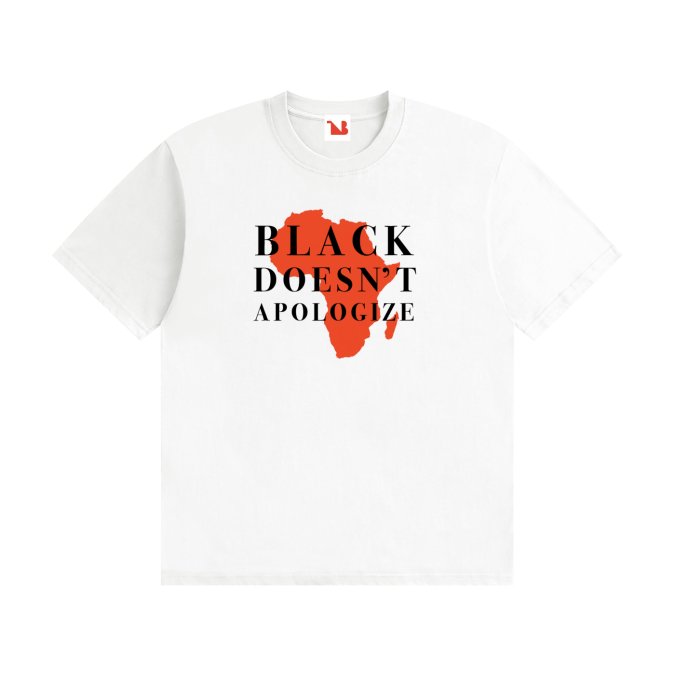
Natural Fibers vs. Synthetic Blends
Natural fibers, cotton, linen, silk, wool, breathe differently than synthetics. They age with character. A 100% cotton garment develops a softness over time. Linen becomes more fluid. Wool holds structure.
Synthetic blends serve a purpose: they reduce wrinkles, lower cost, and improve durability in specific ways. But they also trap heat and don't age as gracefully. A quality luxury piece typically contains a high percentage of natural fibers, often 80% or more. The Tencel Wide-Leg Cuff Trousers from TNB-Shop-Store, for example, blend 30% Tencel with 25% cotton, 25% bamboo fiber, and 20% linen. That composition signals thoughtful material selection: each fiber contributes something. Tencel adds drape. Cotton adds breathability. Bamboo adds softness. Linen adds structure.

Read the fiber content label carefully. If a garment lists synthetics first, that's your answer about where the brand's priorities lie. Natural fibers listed first tell a different story.
Weight, Hand Feel, and Drape
Pick up the garment. Does it feel substantial? Luxury apparel has weight, not heavy, but present. A quality cotton tee should feel denser than a thin basic. A luxury trouser should have enough body to hold its shape without feeling stiff.
Hand feel is the tactile experience of the fabric against your skin. Run your fingers across it. Does it feel smooth or rough? Soft or scratchy? High-quality fabrics have a refined hand feel, they're pleasant to touch. This comes from fiber quality, yarn construction, and finishing processes.
Drape is how the fabric moves and falls on your body. Luxury fabrics drape with intention. They don't cling awkwardly or hang like cardboard. When you move, the fabric should move with you, not against you. The Heavyweight Straight Leg Denim Jeans at 360 gsm have enough structure to hold their shape while remaining comfortable. That's drape working correctly.
Examining Seams, Stitching, and Construction
Seams are where quality becomes undeniable. A poorly constructed seam will fail. A well-constructed seam will outlast the rest of the garment.
Stitch Density and Seam Allowance
Stitch density is the number of stitches per inch. Higher density means tighter, stronger seams.
Feel the seam. If you can see gaps between stitches, that's low density. If the stitches are tight and uniform, that's quality construction. Run your finger along the seam, it should feel smooth, not bumpy or uneven.
Seam allowance is the fabric between the stitch line and the edge of the seam.
Finishing Techniques That Signal Quality
The edges of seams matter.
Look inside the garment. Are seams finished? Any finishing techniques signal that the brand invested in construction quality.
Interior finishing also tells you something.
Signs of Poor Garment Construction
Know what to avoid. Poor construction shows itself in predictable ways.
Uneven stitching is the first sign. If the stitch line wanders or varies in tension, the garment was made quickly without quality control. Loose threads hanging from seams indicate lack of finishing. Puckered seams, where the fabric bunches along the stitch line, suggest the wrong needle, wrong thread tension, or rushed production.
Check the pattern matching. On striped or patterned fabrics, seams should align. If stripes don't line up at side seams or if a plaid pattern breaks awkwardly, that's a sign the brand didn't invest time in layout and cutting. This detail costs nothing but attention.
Pilling and snagging happen to all fabrics, but they happen faster to low-quality garments. Examine the surface for tiny balls of fiber (pilling) or pulled threads (snagging). A quality garment should show minimal pilling after normal wear.
Shrinkage and opacity issues suggest poor fabric preparation. If a garment shrinks significantly after the first wash, the fabric wasn't pre-shrunk. If a light-colored garment becomes transparent, the fabric is too thin. These are manufacturing shortcuts.
Tencel Wide-Leg Cuff Trousers →
Evaluating Hardware and Fasteners
Buttons, zippers, and other hardware are the details most people overlook. They're also where quality becomes obvious.
Buttons and Closures
How to Find Your Size Online
Sizing consistency matters when you can't try a garment on. Before you buy, understand the fit and proportions.
Look for detailed size guides that include actual measurements, not just S-M-L labels. The Tencel Wide-Leg Cuff Trousers come with measurements for waist and length in both inches and centimeters, plus hip measurements. This specificity lets you compare to garments you already own and fit well.
Pay attention to fit descriptions. "High-rise" tells you where the waistband sits. "Wide-leg" tells you the silhouette. "Relaxed fit" tells you there's extra room. These descriptions should match your preferences and body proportions.
Read customer reviews for fit feedback. People will tell you if something runs small, large, or true to size. If multiple reviews mention the same fit issue, that's reliable information.
Garment Drape, Cut, and Pattern Matching
How a garment hangs on your body is the ultimate test of quality. Drape depends on fabric choice, pattern cutting, and seam placement.
The Importance of Garment Drape and Cut
A well-cut garment flatters because it's designed to move with your body, not against it. The pattern pieces are engineered to create specific shapes and proportions.
Pattern Matching Across Seams
On striped or patterned fabrics, the pattern should align across seams. At side seams, stripes should match. On plaid fabrics, the pattern should line up vertically and horizontally. This requires careful cutting and layout, and it's a hallmark of quality construction.
Examine seams on patterned garments before you buy. If the pattern is wildly misaligned, the brand didn't invest in this detail. It costs nothing but attention, so its absence signals carelessness.
Care Labels, Fiber Content, and Longevity
The care label tells you how to preserve your investment. Read it before you buy.
Understanding Fiber Content
Fiber content determines how the garment will age and respond to washing. 100% natural fibers require different care than blends. The Belted Barrel-Leg Chino Pants are 100% cotton at 360 gsm, which means they'll soften with washing but require careful handling to avoid shrinkage. The Heavyweight Straight Leg Denim Jeans use 85% cotton and 15% polyester, which adds durability and reduces shrinkage.

Know what you're buying. If you want a garment that softens and becomes more comfortable over time, choose high natural fiber content. If you want durability and minimal care, blends with synthetic reinforcement are practical.
Following Care Instructions for Durability
Luxury apparel deserves proper care. Wash at lower temperatures. Use gentle cycles. Air dry when possible. These steps preserve fiber integrity and color.
The care label should include specific instructions: water temperature, cycle type, drying method, and ironing guidance. If a garment says "hand wash only," that's telling you something about the delicacy of the fabric or construction. If it says "machine wash, gentle cycle," you have more flexibility.
Colorfastness, how well a garment retains its color, depends on dye quality and fiber preparation. The deep indigo of the Heavyweight Straight Leg Denim Jeans, for example, is designed to fade gradually and develop character, that's intentional design, not poor dye quality.
| Quality Indicator | What It Means | What to Look For |
|---|---|---|
| Stitch Density | Strength and durability of seams | 12-16 stitches per inch; tight, uniform spacing |
| Seam Finishing | Longevity and interior quality | Serging, bias binding, or flat-felled seams |
| Hand Feel | Fiber quality and processing | Smooth, refined texture; pleasant to touch |
| Drape | Pattern cutting and fabric choice | Fluid movement; flatters without clinging |
| Hardware | Durability of closures | Substantial buttons; smooth zippers; reinforced attachment |
| Pattern Matching | Attention to detail | Stripes and plaids align at seams |
| Care Label | Preservation requirements | Specific instructions; natural fiber content listed |
Quality in luxury apparel reveals itself to anyone willing to look closely. A garment that's been constructed with intention, with natural fibers, tight seams, finished details, and thoughtful pattern cutting, will reward you with years of wear. At TNB-Shop-Store, every piece in our collections is designed as a cultural artifact, not a disposable item. We source materials that age with character and construct garments that deserve the attention you'll give them. Shop now and invest in pieces that hold their shape, their color, and their story.
Frequently Asked Questions
What are the signs of high-quality fabric in luxury apparel?
High-quality fabric feels substantial and smooth to the touch, with a consistent weave and tight structure. Look for natural fibers like cotton, linen, and Tencel that have good weight and density, typically 300 gsm or higher. The fabric should drape elegantly without clinging or bunching, and colors should be even throughout without streaking or fading. Premium materials resist pilling and snagging, and the fiber content label should clearly list the composition rather than hiding it.
How can you tell if a garment is well-constructed?
Examine the seams closely: they should be straight, even, and tightly stitched with high stitch density. Look for finished seams that prevent fraying, and check that seam allowances are adequate. Hardware like zippers should move smoothly, and buttons should be securely attached with reinforced stitching. Pattern matching at seams shows intentional tailoring, and the garment should hang symmetrically without twisting or pulling. Quality construction means every detail is precise.
Why is garment weight an indicator of quality in luxury apparel?
Heavier fabric typically contains more fiber and denser construction, which translates to durability and longevity. A 300+ gsm fabric has more substance than lightweight alternatives, holds its shape better, and resists wear and tear. Weight also affects how a garment drapes and moves on the body, premium pieces feel substantial and intentional rather than flimsy. Brands like TNB-Shop-Store use heavyweight blends (300 gsm Tencel and 360 gsm denim) specifically to ensure their pieces maintain structure and visual presence over time.
How do I know if a luxury brand is using sustainable practices?
Check the fiber content label for natural and regenerated materials like Tencel, organic cotton, and bamboo fiber, which have lower environmental impact than conventional synthetics. Care instructions should indicate gentle washing temperatures (30°C) to extend garment life and reduce water waste. Look for brands that emphasize intentional design and longevity over trend-chasing, as this philosophy reduces waste and encourages conscious consumption.