


Table of Contents
- Quick Comparison: High Quality Graphic Tees for Adults
- What Separates High Quality Graphic Tees for Adults From Fast Fashion
- The Best Fabric for Graphic T-Shirts: Cotton, Blends, and Weight
- How to Style Graphic Tees for Adults Without Looking Sloppy
- Caring for Printed Cotton Clothing: Wash, Dry, and Preserve
- Pricing Breakdown: What You Pay for at Each Tier
- Ethical Manufacturing and Why It Matters for Adult Graphic Apparel
- Conclusion
- Frequently Asked Questions
Last Updated: September 18, 2026
Quick Comparison: High Quality Graphic Tees for Adults
The fastest way to judge a graphic tee is by fabric weight and print method. Anything under 5 oz feels flimsy after a few washes. Anything printed with a cheap transfer cracks within a season.
This guide from TNB-Shop-Store breaks down what actually separates high quality graphic tees for adults from disposable fast-fashion versions.
Here is the short version before the details:
What to Check |
Fast Fashion |
High Quality |
|---|---|---|
Fabric weight |
3.5-4.5 oz |
5.9-9.0 oz |
Cotton content |
Often under 60% |
90-100% cotton |
Print method |
Heat transfer, vinyl |
DTG, screen print |
Fit |
Generic, boxy or tight |
Intentional, sized |
Lifespan |
10-15 washes |
50+ washes |
What Separates High Quality Graphic Tees for Adults From Fast Fashion
Fabric weight is the single clearest signal. A quality adult graphic tee starts at 5.9 oz (200 gsm) and climbs from there. Fast fashion rarely breaks 4.5 oz because lighter cotton costs less to produce and ship.
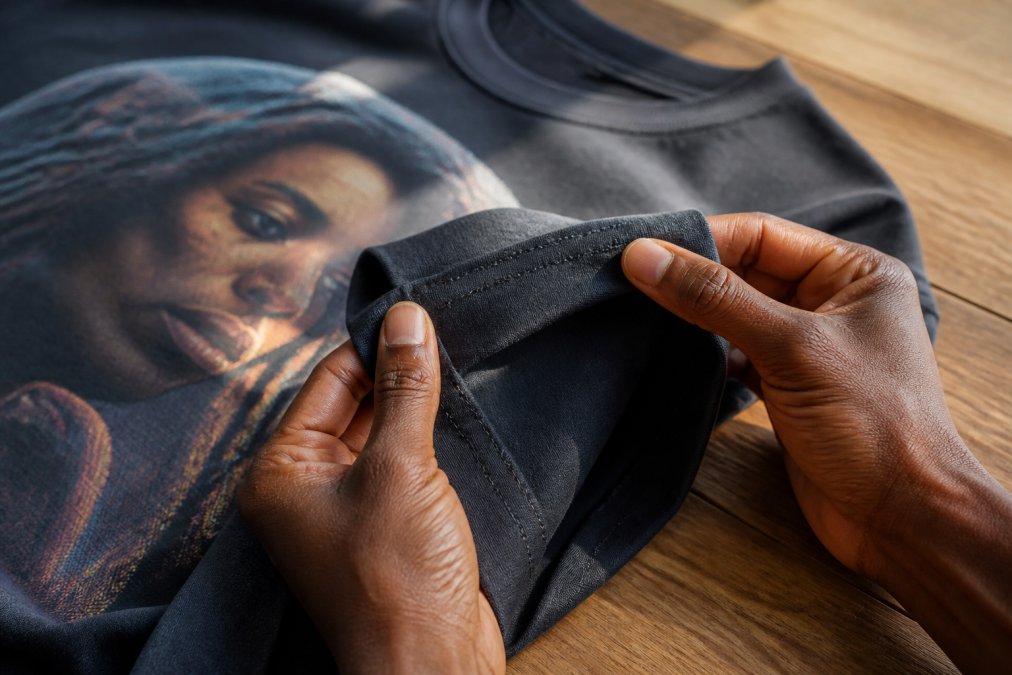
Fabric Weight and GSM: Why 305 GSM Holds Its Shape
GSM stands for grams per square meter, and it tells you how dense the fabric is. A 305 gsm tee has real body. It drapes instead of clinging, and it keeps its shape through repeated washing.
Printing Methods and Print Longevity
Direct-to-garment (DTG) printing bonds ink into the cotton fibers rather than sitting on top of them. That matters for longevity. A DTG print on a heavyweight cotton tee survives far more wash cycles than a vinyl transfer, which peels from the edges inward.
The Best Fabric for Graphic T-Shirts: Cotton, Blends, and Weight
The best fabric for graphic t-shirts is 100% cotton at 5.9 oz or heavier for everyday wear, or a cotton blend with a small amount of stretch when you want a closer fit. Pure cotton breathes, takes print well, and softens with age. But "100% cotton" alone tells you almost nothing, two tees with identical fiber content can feel completely different depending on weight and weave.
Fabric Weight and GSM: The Number That Predicts How a Tee Ages
GSM stands for grams per square meter, and it is the density measurement that separates a tee that holds its shape from one that collapses at the shoulders. The conversion most buyers use is 1 oz per square yard ≈ 33.9 gsm, so a 5.9 oz tee lands near 200 gsm and a 9 oz tee lands near 305 gsm.
Here is how the ranges break down in practice:
- Under 150 gsm (roughly 4.4 oz): Sheer, clingy, and prone to twisting. Common in promotional and fast-fashion blanks.
- 150-190 gsm (4.4-5.6 oz): Lightweight everyday cotton. Breathable in warm weather, but the print surface is thin and detail can blur.
- 190-240 gsm (5.6-7.1 oz): Mid-weight. This is the sweet spot for most adult graphic tees, structured enough to drape, light enough to layer.
- 240-305 gsm (7.1-9.0 oz): Heavyweight. Real body, clean drape, and the surface that holds screen-printed detail best.
- 305 gsm and above (9.0 oz+): Structured, almost jacket-like. Great for oversized silhouettes, but slower to dry and warmer in summer.
Weave Types: Why Two 200 GSM Tees Feel Different
Weight is only half the story. The knit structure decides how the fabric behaves against your skin and how well it accepts ink.
- Single jersey: The standard t-shirt knit, a smooth face and a looped back. Light, stretchy, and the most common base for DTG printing.
- Interlock: Two jersey layers knitted together. Denser, less curl at the edges, and a flatter surface that holds fine print detail.
- Slub: Deliberately uneven yarn creates a textured, vintage-looking surface. Great for heathered designs, but fine lines can get lost.
- Pique: A waffle-like texture, common in polos. Rarely used for graphic tees because the surface disrupts print clarity.
Fiber Blends: What Each One Actually Does
- 100% cotton, 305 gsm: Structured, durable, holds print detail. Best for oversized and relaxed fits.
- 100% cotton, 200 gsm: Lighter and breathable. Good for warm weather and layering.
- Cotton-elastane blend, 180-280 gsm: Stretch and recovery. Best for fitted and slim silhouettes. Keep elastane under about 5% or the tee loses its cotton hand-feel.
- Cotton-polyester blend (50/50 or 60/40): Resists wrinkles and shrinkage but can pill and holds print less cleanly. Polyester also does not take water-based DTG ink the same way cotton does, which is why blended blanks often need a pretreat step.
- Tri-blend (cotton/polyester/rayon): Very soft hand, vintage drape, but the rayon content makes it prone to stretching out at the neckline over time.
For most adults, a heavyweight 100% cotton tee is the safer long-term buy. It costs more upfront and rewards you with years of wear. If you want stretch, a small elastane percentage is fine; if you want maximum print longevity, stay close to 100% cotton.
Unisex Heavyweight Oversized 100% →
How to Style Graphic Tees for Adults Without Looking Sloppy
A few combinations that work:
- Heavyweight oversized tee, untucked, with wide-leg trousers and clean sneakers
- Fitted crop tee under a structured blazer with tailored trousers
- Graphic tee tucked into high-waisted denim with a belt and loafers
- Tee layered under an open overshirt for depth without bulk
Fit does more work than color here. An intentionally oversized silhouette looks polished when the shoulders sit where they should. It looks sloppy when the tee is simply too big.
Caring for Printed Cotton Clothing: Wash, Dry, and Preserve
Caring for printed cotton clothing is simple once you know the two rules: cold water and no direct heat on the print. Follow both and a quality tee lasts for years.
- Machine wash cold on a gentle cycle
- Turn the tee inside out before washing
- Tumble dry low, or hang dry to extend print life
- Never bleach or dry clean
- Iron at low temperature and avoid the printed area entirely
Pricing Breakdown: What You Pay for at Each Tier
Price tracks fabric weight and construction quality more than brand name. Here is what each tier actually buys you.
Tier |
Typical Price |
Fabric Weight |
What You Get |
|---|---|---|---|
Budget |
Under $20 |
3.5-4.5 oz |
Thin cotton, transfer print, short lifespan |
Mid-range |
$25-$35 |
5.9 oz |
100% cotton, DTG print, everyday wear |
Premium |
$45-$55 |
8.3-9.0 oz |
Heavyweight cotton, structured fit, long lifespan |
Ethical Manufacturing and Why It Matters for Adult Graphic Apparel
Ethical manufacturing means the people who cut, sew, and print a garment work in safe conditions and are paid fairly for it. That standard shows up in the finished product as better stitching, cleaner prints, and more consistent sizing.
Conclusion
Finding high quality graphic tees for adults means looking past the design and checking the fabric weight, the print method, and how the tee is constructed. Those three details decide whether a shirt lasts two seasons or ten.
Frequently Asked Questions
What features define a high quality graphic tee?
Fabric weight is the first signal. A 305 GSM (9.0 oz) cotton tee holds its shape and drapes with structure, while lighter 180-200 GSM fabrics feel thin and lose form after a few washes. Look for 100% cotton or a cotton blend with slight stretch, a clean crew neckline, and DTG printing that sits smooth on the surface. Pre-shrunk fabric, reinforced shoulder seams, and a soft-hand feel round out the markers of a tee built to last.
Are heavyweight cotton tees better for graphic prints?
Heavier cotton gives the print a more stable surface. A 305 GSM tee like the Unisex Heavyweight Oversized 100% Cotton Tee from TNB-Shop-Store resists the puckering and cracking that happens when ink sits on thin, shifting fabric. The weight also means the garment keeps its shape through repeated washing, so the graphic stays flat and readable. Lighter 200 GSM tees work for casual wear but need more careful handling to preserve the print.
How should you wash graphic tees to preserve the design?
Turn the tee inside out before washing. Use cold water on a gentle cycle, and avoid bleach or fabric softener, which break down the ink bond. Tumble dry on low or hang to dry. If ironing, keep the iron on low and never press directly over the print. Following these steps for caring for printed cotton clothing keeps the graphic fade-resistant and the fabric soft for years.
Why does fabric weight matter for adult graphic apparel?
Fabric weight determines how a tee drapes, how long it lasts, and how well it holds a print. A 305 GSM cotton tee has enough body to hang cleanly without clinging, which matters for adult fits that need to look intentional rather than undershirt-thin. Heavier fabric also resists the stretching and thinning that come with regular wear, so the silhouette stays consistent and the graphic stays sharp.
What makes a graphic tee a statement piece?
A statement piece combines a strong design with a silhouette that feels deliberate. The artwork should carry meaning, whether it celebrates identity, culture, or a specific point of view. The fit matters too: an oversized drop-shoulder cut or a fitted crop silhouette signals intention, not accident. When the fabric weight, print quality, and design all align, the tee stops being casual wear and becomes a piece you reach for on purpose.